

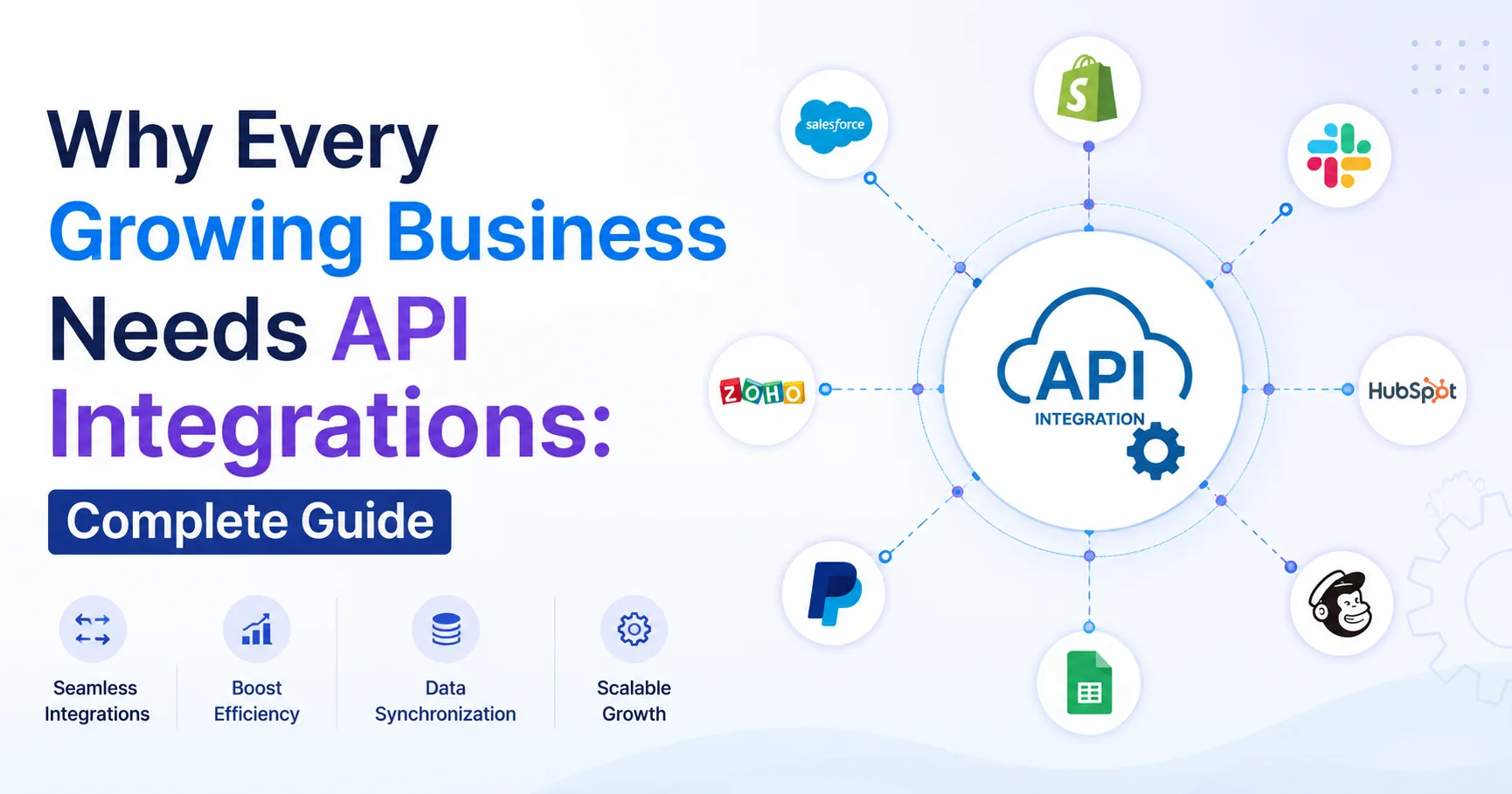
In today’s highly connected digital economy, businesses rely on multiple software platforms, cloud applications, payment gateways, CRMs, marketing tools, inventory systems, and communication platforms to operate efficiently. However, when these systems work independently, businesses often face data silos, manual processes, increased operational costs, and slower decision-making. This is exactly where Business Needs API Integrations become essential.
Whether you’re running an ecommerce store, healthcare practice, logistics company, SaaS startup, or enterprise organization, API integrations help connect different applications and enable them to communicate seamlessly. The result is improved productivity, better customer experiences, enhanced operational efficiency, and scalable business growth. This comprehensive guide explains Why Growing Business Needs API Integrations Today, the benefits they provide, common use cases, implementation strategies, and how companies like My DevIT Solutions help organizations streamline operations through modern integration solutions.
What Are API Integrations?
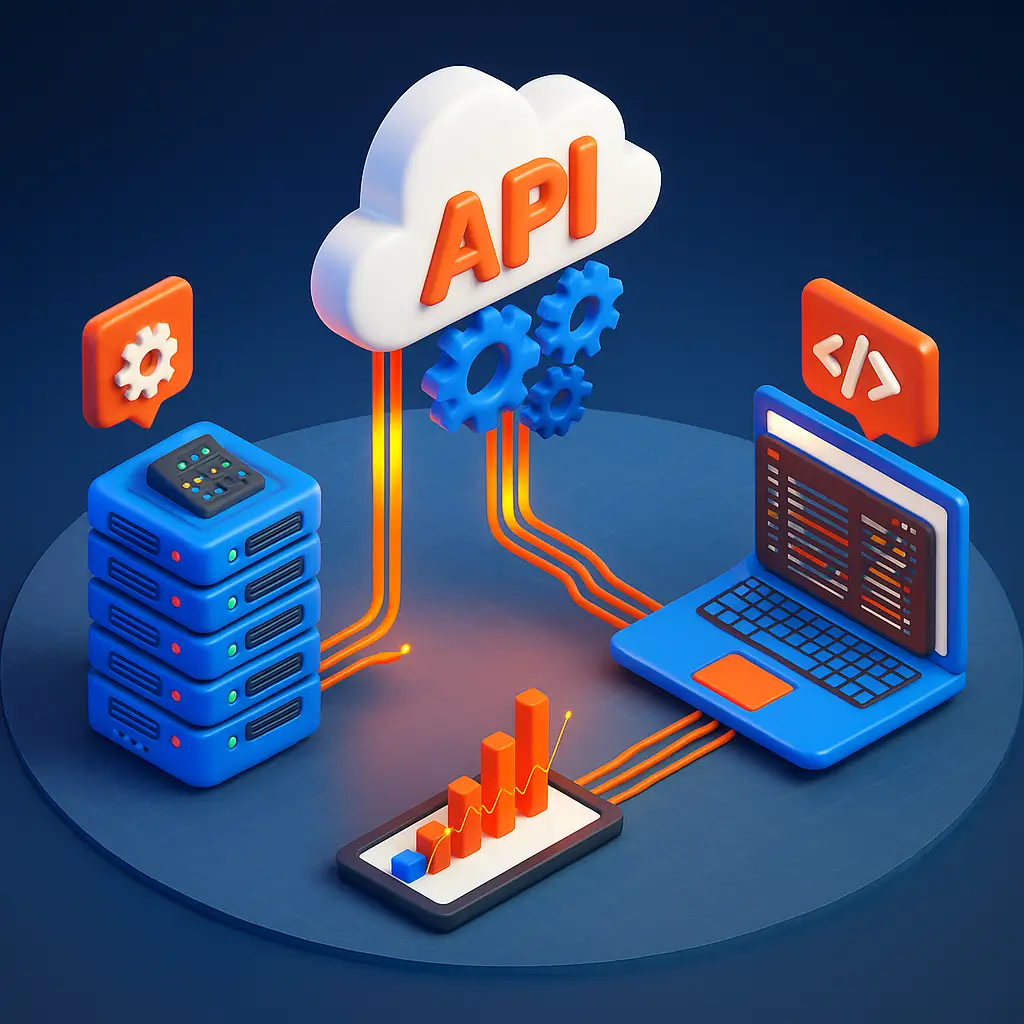
API stands for Application Programming Interface. An API acts as a bridge that allows different software applications to communicate and exchange information automatically.
For example:
- Your ecommerce store receives an order.
- The order is automatically sent to your inventory system.
- Inventory gets updated instantly.
- Customer receives a shipping notification.
- Accounting software records the transaction.
All of this happens through APIs without requiring manual intervention. Instead of employees transferring data between systems, API integrations automate the process, ensuring accuracy and efficiency.
Manual Processes vs API Integrations
| Business Activity | Manual Process | API Integration |
|---|---|---|
| Data Entry | Time-consuming | Automated |
| Order Processing | Human intervention required | Instant processing |
| Error Rate | Higher | Lower |
| Customer Updates | Delayed | Real-time |
| Reporting | Manual compilation | Automated dashboards |
| Scalability | Limited | Highly scalable |
Why Businesses Needs API Integrations
The digital landscape has changed dramatically over the past few years. Modern businesses often use:
- CRM platforms
- ERP systems
- Payment gateways
- Marketing automation tools
- Customer support software
- Accounting solutions
- Ecommerce platforms
- Communication applications
Without integrations, employees spend significant time switching between platforms and manually transferring information. This is one of the primary reasons businesses invest in API integrations to remain competitive. Organizations that Keep API and Third Party Integrations up to date can eliminate repetitive tasks and build a connected ecosystem where data flows automatically across departments.
Organizations that embrace integration technologies often experience:
- Faster operations
- Better customer experiences
- Improved productivity
- Reduced operational costs
- Higher revenue growth
Why Growing Business Needs API Integrations Today
As businesses grow, operational complexity increases. More customers, more orders, more employees, and more software systems create challenges that manual workflows simply cannot handle efficiently. This explains Why Growing Business Needs API Integrations Today.
Growing businesses need:
1. Operational Efficiency:- API integrations automate repetitive workflows and reduce manual work.
2. Real-Time Data Access:- Decision-makers receive up-to-date information instantly.
3. Better Customer Experiences:- Customers expect instant updates, faster responses, and seamless transactions.
4. Business Scalability:- Integrated systems can handle increasing workloads without requiring proportional increases in staffing.
5. Competitive Advantage:- Businesses leveraging automation often outperform competitors relying on manual operations.
How API Integrations Work
At a basic level, API integrations involve:
- System A sends a request.
- API processes the request.
- System B responds with data.
- Information is exchanged automatically.
For example:
Website → CRM → Email Marketing Tool → Analytics Platform
When a customer fills out a form:
- Lead enters CRM automatically.
- Welcome email is triggered.
- Marketing segmentation occurs instantly.
- Analytics data updates automatically.
This entire workflow can happen within seconds.
Popular Business Systems Connected Through APIs
| System Type | Examples |
|---|---|
| CRM | Salesforce, HubSpot |
| Ecommerce | WooCommerce, Shopify |
| Payment Processing | Stripe, PayPal |
| Accounting | QuickBooks, Xero |
| Marketing Automation | Mailchimp, ActiveCampaign |
| Communication | Slack, Microsoft Teams |
| Inventory Management | Zoho Inventory, Cin7 |
| Customer Support | Zendesk, Freshdesk |
Importance of API Integrations into Business
The Importance of API Integrations into Business continues to increase as organizations adopt more digital tools.
Key reasons include:
Improved Data Accuracy:- Manual data entry often results in mistakes. API integrations reduce human errors by transferring information automatically.
Faster Decision Making:- Leaders can access real-time reports and analytics without waiting for manual updates.
Enhanced Productivity:- Teams spend less time on administrative tasks and more time on strategic initiatives.
Cost Reduction:- Automation reduces labor costs and operational inefficiencies.
Better Customer Satisfaction:- Customers receive faster responses, order updates, and personalized experiences.
Key Benefits of API Integrations
Workflow Automation:- Automate repetitive business tasks and reduce manual intervention.
Centralized Data Management:- Keep information synchronized across all platforms.
Improved Team Collaboration:- Sales, marketing, customer support, and finance teams work from the same data source.
Faster Time-to-Market:- Launch products, campaigns, and services more quickly.
Better Analytics:- Connected systems provide more comprehensive business insights.
Enhanced Security:- Modern APIs often include authentication, encryption, and access controls.
Common Business Use Cases for API Integrations
Ecommerce Integration
Online stores connect:
- Product inventory
- Payment gateways
- Shipping providers
- Marketing platforms
- Customer support systems
Many ecommerce brands discover how Payment Methods Can Improve Your Ecommerce Success when payment gateways integrate seamlessly with inventory and order management systems.
CRM and Sales Automation
Businesses connect:
- Website forms
- CRM systems
- Email marketing tools
- Sales pipelines
This reduces lead response times and improves conversion rates.
Accounting Automation
Invoices, payments, and financial reports can be synchronized automatically. This improves accuracy and saves valuable administrative time.
Marketing Automation
API integrations help automate:
- Email campaigns
- Lead nurturing
- Customer segmentation
- Campaign reporting
Customer Support
Support platforms can connect with:
- CRM software
- Ecommerce systems
- Communication channels
This enables faster issue resolution.
API Integrations Across Different Industries
| Industry | Common Integrations |
|---|---|
| Ecommerce | Payment, Shipping, Inventory |
| Healthcare | Patient Records, Scheduling |
| Finance | Banking, Payments, Reporting |
| Logistics | Fleet Tracking, Route Optimization |
| Education | LMS, Student Portals |
| Real Estate | CRM, Listing Platforms |
| Manufacturing | ERP, Inventory Management |
| SaaS | Billing, Analytics, Authentication |
Challenges Businesses Face Without API Integrations
Organizations that avoid integrations often encounter:
Data Silos:- Information becomes trapped in separate systems.
Duplicate Data Entry:- Employees waste time entering the same information repeatedly.
Increased Errors:- Manual processes create inconsistencies.
Poor Customer Experience:- Delayed responses negatively impact customer satisfaction.
Limited Scalability:- Growth becomes difficult without automation.
API Integration Best Practices
Define Clear Objectives:- Identify the business problems you want to solve.
Prioritize Security:- Use secure authentication methods and encryption.
Choose Reliable APIs:- Partner with trusted vendors and providers.
Monitor Performance:- Track API uptime, response times, and errors.
Plan for Scalability:- Select solutions that can grow alongside your business.
API Integration Implementation Checklist
| Task | Status |
|---|---|
| Identify Business Goals | ✓ |
| Audit Existing Systems | ✓ |
| Select APIs | ✓ |
| Security Review | ✓ |
| Testing Environment | ✓ |
| Deployment Plan | ✓ |
| Monitoring Setup | ✓ |
| Ongoing Maintenance | ✓ |
Future Trends in API Integrations
The future of API technology continues to evolve rapidly.
Key trends include:
AI-Powered Integrations:- Artificial Intelligence will automate more workflows and decision-making processes.
Low-Code Integration Platforms:- Businesses can build integrations faster with minimal coding.
Event-Driven Architectures:- Systems will react instantly to business events in real time.
Increased API Security:- Advanced authentication and zero-trust security models will become standard.
Cloud-Native Ecosystems
Organizations will increasingly rely on cloud-first integration strategies. Businesses looking to Keep API and Third-Party Integrations updated will gain significant advantages as technology ecosystems continue expanding. Additionally, organizations integrating customer communications, Business with POS Systems and Automated Emails, and operational platforms will experience greater efficiency and customer engagement.
How to Choose the Right API Integration Partner
Choosing an experienced integration partner is critical.
Look for:
- Technical expertise
- Industry experience
- Security knowledge
- Scalable solutions
- Ongoing support
- Proven implementation processes
At My DevIT Solutions, businesses receive custom API integration services designed to connect applications, automate workflows, improve operational efficiency, and support long-term growth objectives. A reliable integration partner ensures systems remain secure, scalable, and aligned with business goals.
Conclusion
The modern business environment depends on connected systems, real-time data, and automation. This is precisely why Business Needs API Integrations have become a strategic necessity rather than an optional technology investment. Organizations that understand Why Growing Business Needs API Integrations Today can automate operations, eliminate inefficiencies, improve customer experiences, and scale more effectively.
The growing Importance of API Integrations into Business is evident across industries ranging from ecommerce and healthcare to finance and logistics. Businesses that invest in API-driven automation today position themselves for greater efficiency, agility, and long-term success. As digital transformation continues accelerating, API integrations will remain one of the most valuable tools for organizations seeking sustainable growth and competitive advantage.
FAQs
An API integration is a connection between two or more software applications that allows them to exchange data and perform tasks automatically.
Growing businesses need API integrations to automate workflows, improve efficiency, reduce errors, and support scalable growth.
The main benefits include automation, improved data accuracy, faster processes, enhanced customer experiences, and lower operational costs.
Yes, modern API integrations use authentication, encryption, and access controls to protect data and maintain security.
CRMs, ecommerce platforms, payment gateways, accounting software, marketing tools, customer support systems, and ERP platforms commonly use APIs.
Costs vary depending on complexity, the number of systems involved, customization requirements, and ongoing maintenance needs.
Yes, small businesses can improve efficiency, reduce manual work, and scale operations more effectively through API integrations.
API integrations enable real-time updates, faster support responses, personalized interactions, and seamless customer journeys.
Ecommerce, healthcare, finance, logistics, education, manufacturing, and SaaS industries extensively use API integrations.
My DevIT Solutions provides custom API integration services that connect business systems, automate workflows, improve productivity, and support long-term business growth.