

Search engine optimization has evolved significantly over the last decade. The days of ranking a page by simply repeating a target keyword multiple times are long gone. Modern search engines now focus on understanding context, user intent, relationships between topics, and the overall meaning behind content.
This is where What Is Semantic SEO becomes one of the most important concepts in modern digital marketing.
In 2026, search engines powered by artificial intelligence are smarter than ever. Google’s algorithms no longer rely solely on keywords; they analyze entities, context, topical relevance, user behavior, and content depth to determine which pages deserve top rankings. Businesses that understand semantic optimization gain a major competitive advantage. Whether you run an eCommerce store, a service-based business, or a content-driven website, Semantic SEO helps search engines understand your expertise and improves your visibility across traditional search results, AI Overviews, voice search, and conversational search experiences. At My DevIT Solutions, we have seen firsthand how semantic optimization helps businesses build long-term organic growth rather than relying on outdated SEO tactics.
Understanding What is Semantic SEO
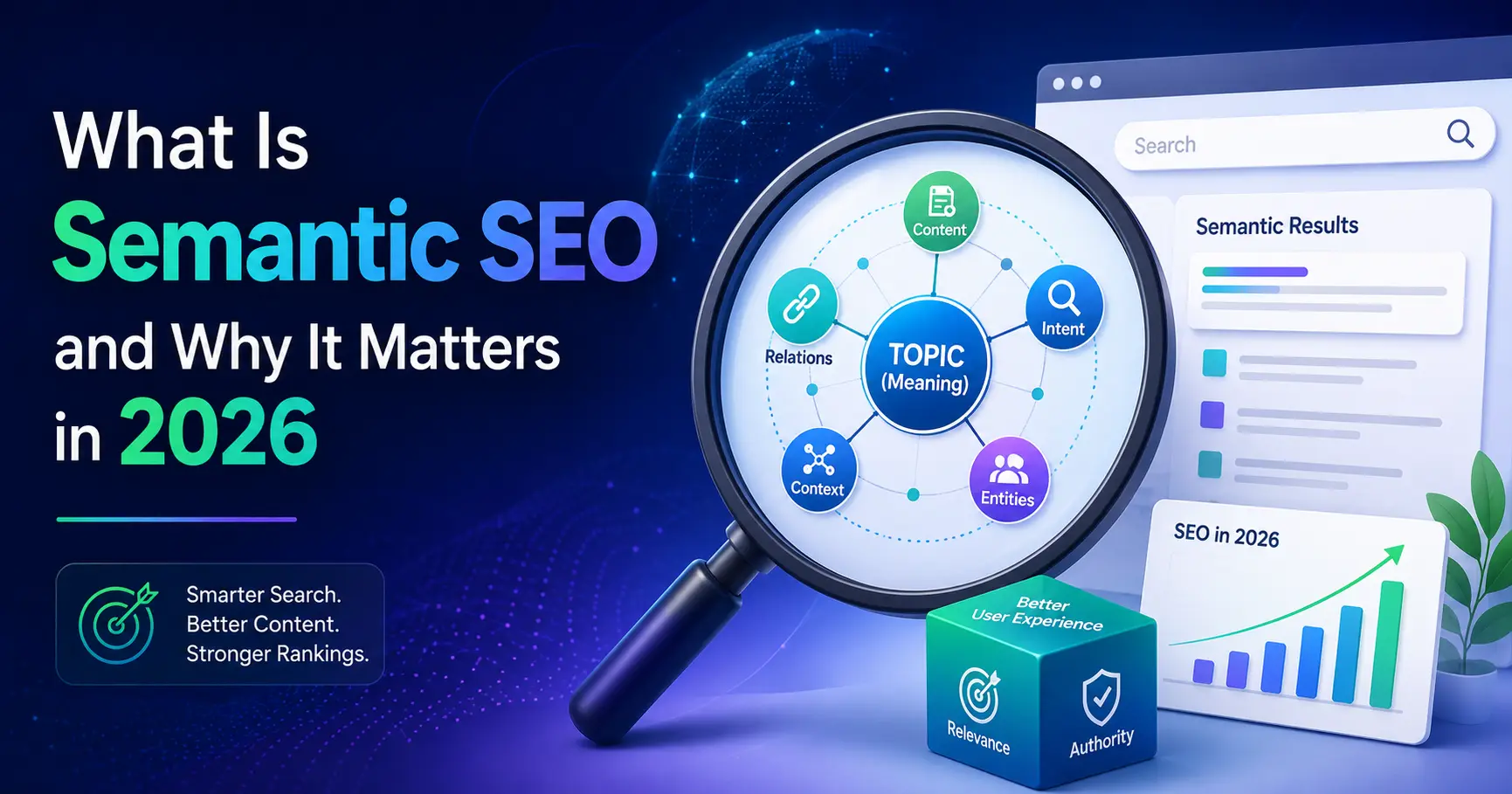
Semantic SEO is the process of creating content that focuses on the meaning behind search queries rather than targeting a single keyword repeatedly. Instead of optimizing a page for one exact phrase, Semantic SEO covers related topics, entities, concepts, and user questions to help search engines fully understand the subject.
For example:
A traditional SEO article targeting “Semantic SEO” may repeat the keyword dozens of times.
A semantic SEO article discusses:
- Search intent
- Content relationships
- Topic clusters
- Entities
- AI search
- Knowledge graphs
- Related questions
- User journey
This creates a complete understanding of the topic for both users and search engines.
Traditional SEO vs Semantic SEO
| Traditional SEO | Semantic SEO |
|---|---|
| Focuses on exact-match keywords | Focuses on topic meaning |
| Keyword density driven | User intent driven |
| Individual page optimization | Topic ecosystem optimization |
| Single keyword targeting | Multiple related concepts |
| Limited context | Rich contextual relevance |
| Rankings focused | Authority focused |
What Is Semantic SEO in Marketing?
Many business owners ask, What is semantic SEO in marketing? In marketing, Semantic SEO is the practice of aligning content with customer intent and topic relevance rather than isolated keywords. Modern customers rarely search using one-word phrases. Instead, they ask detailed questions such as:
- What is Semantic SEO and why is it important?
- How does Semantic SEO improve rankings?
- How can businesses optimize for AI search?
Google aims to provide the most complete answer possible. Businesses that create comprehensive content covering related concepts are more likely to rank because they satisfy user intent more effectively. This makes semantic optimization a core component of modern content marketing strategies.
Why Semantic SEO Matters More Than Ever in 2026
The rise of artificial intelligence has transformed how search engines interpret content.
Google’s systems now analyze:
- Context
- Search intent
- Topic relationships
- Entity connections
- Content depth
- User engagement
As a result, Semantic SEO has become essential.
Key Reasons Semantic SEO Matters in 2026
| Factor | Impact on SEO |
|---|---|
| AI-Powered Search | Understands content meaning |
| Google AI Overviews | Rewards comprehensive content |
| Voice Search | Requires conversational answers |
| Entity Recognition | Improves topical relevance |
| User Intent Matching | Boosts rankings and engagement |
| Knowledge Graph Expansion | Enhances authority signals |
Websites that rely solely on keyword stuffing struggle to compete against websites that demonstrate expertise and topic coverage.
How Google Understands Semantic Relationships
Google uses several technologies to understand content:
1. Natural Language Processing (NLP)
NLP helps search engines understand:
- Sentence structure
- Meaning
- Context
- Intent
2. Entities
Entities are identifiable concepts such as:
- Businesses
- People
- Places
- Products
Google connects these entities to understand relationships between topics.
3. Knowledge Graph
The Knowledge Graph helps Google understand how concepts relate to one another.
For example:
Semantic SEO may be connected to:
- Content Marketing
- Search Intent
- Topical Authority
- AI Search
- User Experience
This relationship-building allows Google to deliver more accurate search results.
What Is Semantic SEO Strategy?
A common question among marketers is: What is semantic SEO strategy? A semantic SEO strategy involves creating interconnected content that thoroughly covers a subject and satisfies multiple user intents. Instead of publishing isolated blog posts, you build a structured content ecosystem.
Core Elements of a Semantic SEO Strategy
| Strategy Element | Purpose |
|---|---|
| Topic Clusters | Cover subjects comprehensively |
| Pillar Pages | Establish authority |
| Internal Linking | Strengthen relevance |
| Entity Optimization | Improve understanding |
| Search Intent Matching | Increase user satisfaction |
| FAQ Sections | Capture long-tail queries |
This approach helps search engines identify your website as a trusted resource.
The Role of Search Intent in Semantic SEO
Search intent is at the heart of semantic optimization.
Google wants to understand:
Why is someone searching?
There are four primary intent types:
Informational
Users want information.
Example:
“What Is Semantic SEO?”
Navigational
Users want a specific website.
Example:
“My DevIT Solutions”
Commercial
Users are researching options.
Example:
“Best Semantic SEO agency”
Transactional
Users are ready to buy.
Example:
“Hire SEO consultant”
Semantic SEO ensures content aligns with the user’s true intent rather than merely matching keywords.
Building Topical Authority Through Semantic SEO
One of the biggest advantages of Semantic SEO is the ability to build What is Topical Authority in SEO naturally. Topical authority occurs when search engines recognize your website as an expert source on a subject. Instead of publishing random articles, authoritative websites create content clusters covering all aspects of a topic.
For example:
Semantic SEO Cluster:
- Semantic SEO Basics
- Entity SEO
- Search Intent
- Topic Clusters
- Content Optimization
- AI Search
- Structured Data
Together, these articles create a powerful topical ecosystem.
Semantic SEO and AI Search
The future of search is increasingly driven by artificial intelligence. Understanding How SEO Is Affected By AI has become essential for marketers.
AI systems now:
- Summarize information
- Generate search answers
- Analyze context
- Evaluate expertise
This means shallow content has a lower chance of being surfaced. Semantic SEO helps businesses remain visible because it focuses on depth, expertise, and comprehensive coverage.
Semantic SEO and Google AI Overviews
One of the most significant SEO developments is Google’s AI-generated search summaries. Businesses are increasingly asking How to Appear in AI Overviews. The answer lies in semantic optimization.
Google prefers content that:
- Answers questions clearly
- Demonstrates expertise
- Covers related subtopics
- Includes structured headings
- Provides factual information
Semantic SEO naturally aligns with these requirements.
Semantic SEO Best Practices for 2026
1. Focus on Topics, Not Just Keywords
Create comprehensive resources rather than thin keyword-targeted pages.
2. Build Content Clusters
Connect related content using strategic internal linking.
3. Use Natural Language
Write as people speak and search.
4. Cover Related Questions
Answer common user queries throughout your content.
5. Optimize Entities
Clearly identify businesses, services, products, and concepts.
6. Strengthen Internal Linking
Internal links help search engines understand relationships between pages.
7. Demonstrate Experience and Expertise
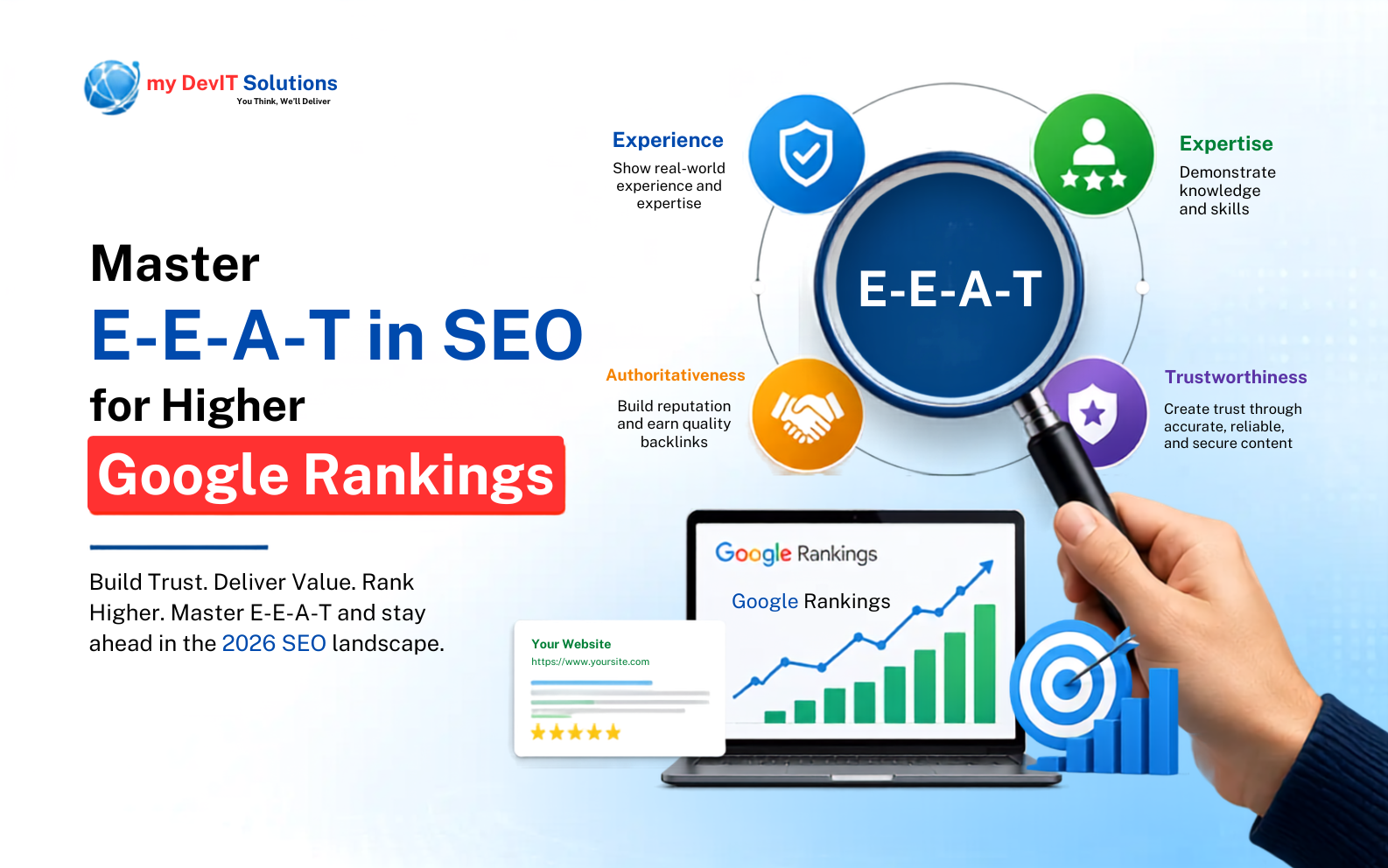
Google’s E-E-A-T principles reward authoritative content.
Common Semantic SEO Mistakes
| Mistake | Consequence |
|---|---|
| Keyword stuffing | Poor user experience |
| Thin content | Lower rankings |
| Ignoring intent | Reduced engagement |
| Weak internal linking | Poor topical relevance |
| Lack of topic depth | Lower authority |
| Outdated information | Reduced trustworthiness |
Avoiding these mistakes significantly improves long-term SEO performance.
Semantic SEO and Business Growth
Semantic SEO is not just about rankings.
It directly impacts:
- Organic traffic
- Lead generation
- Brand authority
- Customer trust
- Conversion rates
Businesses embracing semantic optimization often outperform competitors relying on outdated SEO methods. This approach also aligns with Modern Ways to Promote Your Business Like a Pro, where visibility depends on trust, expertise, and comprehensive digital presence rather than keyword manipulation.
The Future of Semantic SEO
Looking ahead, Semantic SEO will become even more important as:
- AI search expands
- Voice search grows
- Conversational search evolves
- Search intent becomes more sophisticated
- Entity-based indexing becomes stronger
Search engines are moving toward understanding information similarly to humans. Websites that provide meaningful, authoritative, and comprehensive content will continue to dominate search results.
Conclusion
Understanding What Is Semantic SEO is no longer optional for businesses that want sustainable organic growth in 2026 and beyond. Modern search engines prioritize meaning, intent, context, expertise, and topical relevance over simple keyword usage. By implementing a strong semantic SEO strategy, businesses can improve rankings, build authority, increase visibility in AI-powered search experiences, and deliver greater value to users. Organizations that invest in topic clusters, search intent optimization, entity-based content, and E-E-A-T principles will be better positioned to thrive in the evolving search landscape. As AI continues reshaping search, Semantic SEO remains one of the most effective ways to future-proof your digital marketing strategy.
FAQs
Semantic SEO is the practice of optimizing content around meaning, context, entities, and user intent rather than focusing only on exact-match keywords.
Semantic SEO in marketing helps businesses create content that matches user intent and builds authority across related topics to improve organic visibility.
A semantic SEO strategy involves creating topic clusters, pillar pages, entity-focused content, and internal links that help search engines understand topical relevance.
Semantic SEO is important because AI-powered search engines increasingly prioritize context, expertise, and comprehensive topic coverage.
Yes, Semantic SEO improves the chances of appearing in AI Overviews because it provides complete, authoritative, and contextually relevant information.
Semantic SEO is more aligned with modern search algorithms because it focuses on user intent and topic understanding rather than keyword repetition alone.
You can improve Semantic SEO by creating topic clusters, optimizing for search intent, using internal links, covering related questions, and demonstrating E-E-A-T.
Yes, Semantic SEO can improve rankings by helping search engines better understand your content and its relevance to user queries.