

In today’s hyper-competitive digital landscape, knowing the best ways to promote your business is no longer optional, it’s essential for survival and growth. Whether you’re a startup, a local shop, or a scaling brand, leveraging modern marketing strategies can make the difference between thriving and being invisible online.
At my DevIT Solutions, we work with businesses of all sizes to craft marketing strategies that deliver real, measurable results. This guide covers the 10 most effective and modern ways to advertise your business in 2026, aligned with the latest Google algorithm updates, consumer behavior trends, and digital marketing best practices. The digital marketing ecosystem continues to evolve at a rapid pace. With Google’s Helpful Content System updates, AI-powered search (Google SGE), and shifting consumer attention spans, businesses that rely on outdated tactics are quickly losing ground. This article is your comprehensive playbook for modern, high-impact promotion.
Quick Comparison: Top Ways to Promote Your Business (2026)
Use this table to quickly evaluate which promotional strategies align with your goals, budget, and timeline.
| Strategy | Cost | Time to Results | Best For |
| SEO | Low–Medium | 3–6 Months | Long-term organic traffic |
| Social Media Marketing | Low–Medium | 1–4 Weeks | Brand awareness & engagement |
| Google Ads (PPC) | Medium–High | Immediate | Quick leads & sales |
| Email Marketing | Low | 1–2 Weeks | Customer retention |
| Content Marketing | Low–Medium | 2–6 Months | Authority & trust building |
| Influencer Marketing | Medium–High | 1–3 Weeks | Niche audience reach |
| Video Marketing | Medium | 2–6 Weeks | Engagement & storytelling |
| Local SEO / GBP | Low | 1–3 Months | Local foot traffic |
1. Search Engine Optimization (SEO) — The Long-Game Winner
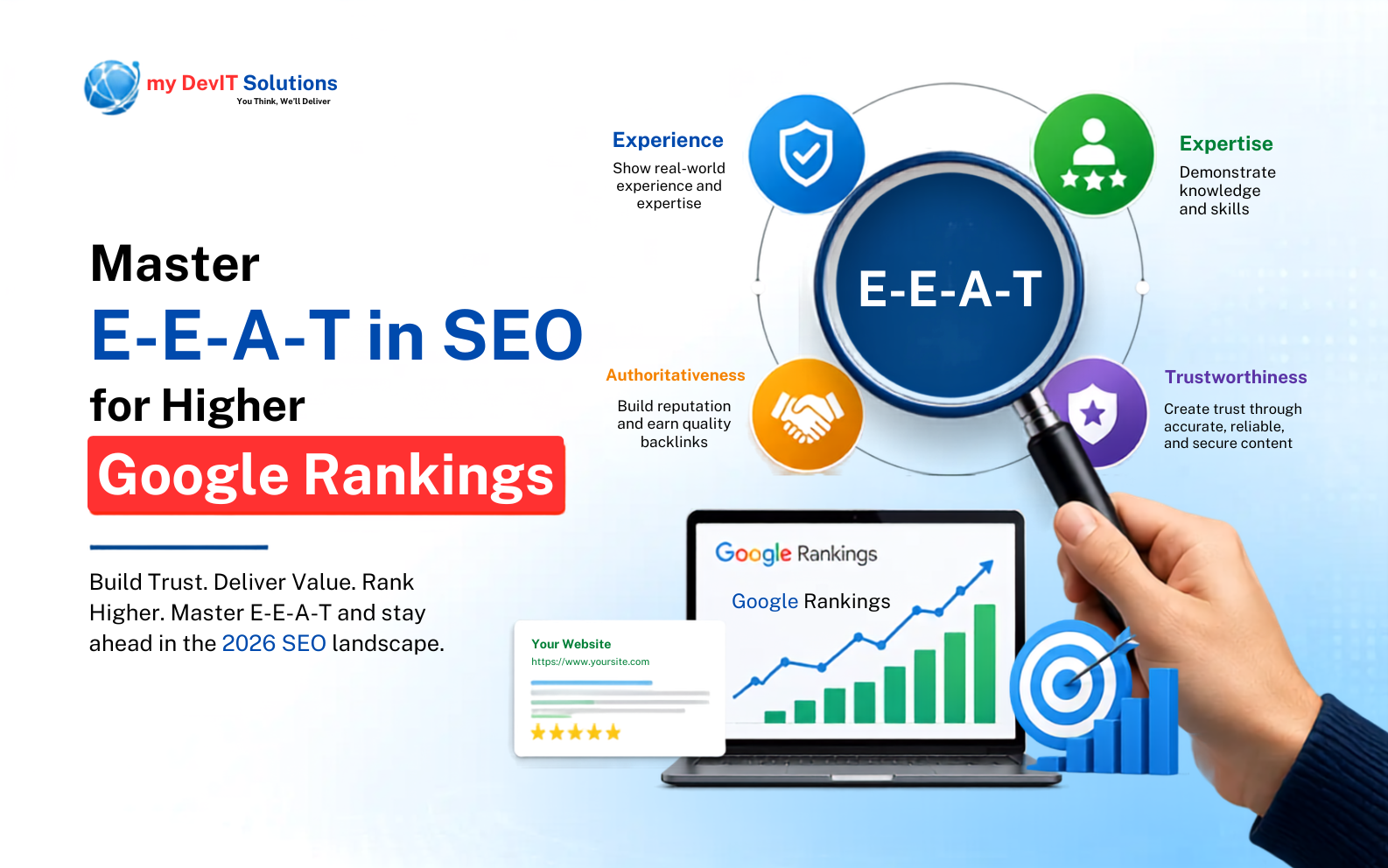
Search Engine Optimization (SEO) remains the single most powerful long-term strategy for organic business growth. In 2026, Google’s algorithms are more sophisticated than ever, rewarding content that demonstrates genuine Experience, Expertise, Authoritativeness, and Trustworthiness — the four pillars of E-E-A-T.
Modern SEO goes far beyond keywords. It encompasses technical performance, mobile usability, Core Web Vitals, structured data (schema markup), and the quality of your backlink profile. Businesses that invest consistently in SEO enjoy compounding returns as each optimized page gains authority over time, the cost per visitor decreases dramatically.
Key 2026 SEO priorities include:
- Optimizing for AI Overviews in Google Search (formerly SGE)
- Creating people-first content that answers real user intent
- Building topical authority with content clusters and pillar pages
- Improving page speed with Core Web Vitals optimization
- Earning high-quality backlinks from relevant, authoritative domains
- Implementing schema markup for rich results (FAQ, How-To, Product)
For businesses serious about growth, investing in Search Engine Optimization (SEO) early compounds benefits over time much like a financial investment that generates passive income.
2. Ways to Promote Your Business on Social Media — Build Your Community
Social media marketing is one of the most dynamic ways to advertise your business and build a loyal audience in 2026. With over 5.17 billion active social media users globally, the opportunity to connect with your target audience at scale has never been greater.
However, the game has changed. Organic reach on platforms like Facebook has declined, making it critical to combine organic strategies with paid social amplification. Short-form video content (Instagram Reels, TikTok, YouTube Shorts) continues to dominate engagement metrics across all demographics.
The most effective ways to promote your business on social media in 2026 include:
- Creating platform-native content (Reels for Instagram, Shorts for YouTube)
- Building community through Groups, Lives, and interactive Stories
- Leveraging User-Generated Content (UGC) to boost authenticity
- Using social listening tools (Brandwatch, Sprout Social) to track mentions
- Running retargeting campaigns to re-engage website visitors
- Collaborating with micro-influencers in your niche
Social Media Platform Guide for Business Promotion
Choose the right platform based on where your audience spends their time and which content format suits your brand:
| Platform | Best Content Type | Primary Audience | Posting Frequency |
| Videos, links, events | 25–55 age group | 1–2x per day | |
| Reels, stories, images | 18–35 age group | 1x per day | |
| Articles, B2B updates | Professionals & B2B | 3–5x per week | |
| YouTube | Tutorials, vlogs, ads | All age groups | 1–3x per week |
| X (Twitter) | Short updates, threads | News & tech-savvy users | 3–5x per day |
| TikTok | Short-form videos | Gen Z & Millennials | 1–3x per day |
3. Google Business Profile — Dominate Local Search
For any business serving a local or regional audience, an optimized Google Business Profile (GBP) is absolutely non-negotiable. It’s one of the most powerful (and free) ways to promote your business in local search results, Google Maps, and the coveted ‘Local Pack’ the top 3 business listings that appear for local queries.
In 2026, Google Business Profile has expanded its features significantly. Businesses can now post updates, run offers, collect and respond to reviews, add product catalogs, enable messaging, and even book appointments directly through their listing. These features collectively boost local trust and discoverability.
Optimization checklist for Google Business Profile:
- Complete every section: name, address, phone, website, hours, categories
- Upload high-quality photos and videos regularly (Google rewards active profiles)
- Respond to ALL reviews — positive and negative — within 24 hours
- Post weekly updates, offers, and announcements
- Add your products or services with descriptions and pricing
- Enable Q&A and answer customer questions promptly
- Use the messaging feature to capture leads directly from search
4. Content Marketing — Educate, Attract, and Convert
Content Marketing is the foundation of a sustainable inbound marketing strategy. By creating valuable, informative, and engaging content that addresses your audience’s pain points, you attract qualified traffic, build brand authority, and nurture leads through the sales funnel organically.
The most successful content strategies in 2026 focus on depth over breadth. Google’s Helpful Content updates have made it clear: content written primarily for people — not search engines — wins. This means comprehensive guides (like this one), in-depth case studies, original research, and expert-authored content.
High-performing content formats for business promotion:
- Long-form blog posts (1,500–3,000+ words) with original insights
- Video tutorials and explainers (YouTube + embedded on your site)
- Infographics and data visualizations that earn backlinks
- Podcast episodes establishing thought leadership
- Case studies showcasing client results and ROI
- Free tools, calculators, or templates that drive organic traffic
At my DevIT Solutions, we consistently see that businesses investing in quality content marketing experience 3x more leads than those relying purely on paid advertising. Read More Interesting Blog content that educates your audience keeps them coming back and primes them for conversion.
5. Pay-Per-Click Advertising (PPC) — Instant Visibility
While SEO is a long game, Pay-Per-Click (PPC) advertising delivers immediate results. Google Ads, Microsoft Ads, and paid social campaigns allow businesses to appear at the top of search results and social feeds precisely when potential customers are looking for what you offer.
In 2026, PPC has become significantly more AI-driven. Google’s Performance Max campaigns use machine learning to optimize ad placements across Search, Display, YouTube, Gmail, and Maps simultaneously. Smart bidding strategies like Target ROAS and Target CPA enable businesses to maximize return on ad spend with minimal manual management.
PPC best practices for 2026:
- Use Performance Max campaigns alongside traditional Search campaigns
- Implement audience layering combine in-market, remarketing, and similar audiences
- Create dedicated, conversion-optimized landing pages for each ad group
- Set up conversion tracking via Google Tag Manager for accurate ROI measurement
- A/B test ad headlines, descriptions, and CTAs continuously
- Leverage automated bidding with manual bid adjustments for key segments
6. Email Marketing — Your Highest ROI Channel
Email marketing consistently delivers the highest return on investment of any digital marketing channel averaging $36 to $42 for every $1 spent, according to recent industry data. It’s one of the most direct and personal ways to advertise your business to an audience that has already expressed interest.
Modern email marketing in 2026 is powered by automation, hyper-personalization, and behavioral triggers. Gone are the days of blasting the same message to your entire list. Today’s winning email strategies segment audiences based on behavior, purchase history, and lifecycle stage.
Email Marketing Performance Benchmarks (2026)
Measure your campaigns against these industry benchmarks to identify areas for improvement:
| Metric | Industry Average | Good Benchmark | Excellent Benchmark |
| Open Rate | 21.33% | 25–30% | 35%+ |
| Click-Through Rate | 2.62% | 3–5% | 6%+ |
| Conversion Rate | 1.22% | 2–3% | 4%+ |
| Unsubscribe Rate | 0.26% | <0.5% | <0.2% |
| ROI | $36 per $1 spent | $42 per $1 | $50+ per $1 |
Proven email marketing tactics for business promotion:
- Welcome sequence: 5–7 automated emails for new subscribers introducing your brand
- Abandoned cart emails: recover 10–15% of lost e-commerce revenue
- Newsletter with original insights: builds authority and maintains top-of-mind awareness
- Re-engagement campaigns: win back inactive subscribers with special offers
- Post-purchase sequences: encourage reviews, upsells, and referrals
7. Video Marketing — The Undisputed King of Engagement
Video is no longer just a content format it’s the dominant medium of the internet. By 2026, video content accounts for over 82% of all consumer internet traffic. Businesses that invest in video marketing see significantly higher engagement, longer website dwell times, and stronger brand recall than those relying solely on text-based content.
YouTube remains the world’s second-largest search engine, and short-form video on TikTok, Instagram Reels, and YouTube Shorts has created massive opportunities for businesses of all sizes to achieve viral reach with minimal budget.
Video marketing strategies that drive business results:
- Explainer videos: break down complex products or services in under 2 minutes
- Customer testimonial videos: build trust and overcome purchase objections
- Behind-the-scenes content: humanize your brand and build community
- Live streaming: Q&A sessions, product launches, and virtual events
- Tutorial/how-to videos: attract top-of-funnel traffic searching for solutions
- Short-form video ads: 15–30 second ads on YouTube, Instagram, and TikTok
8. Influencer and Affiliate Marketing — Leverage Social Proof
Influencer marketing has matured significantly. In 2026, the most effective influencer partnerships are built on authentic alignment between the brand and the creator’s values and audience. Macro-influencers (1M+ followers) drive awareness, while micro-influencers (10K–100K followers) and nano-influencers (1K–10K followers) deliver superior engagement and conversion rates.
Affiliate marketing complements influencer partnerships by creating performance-based partnerships with bloggers, review sites, and content creators who earn a commission for each sale they drive. This makes it one of the most cost-effective ways to advertise your business with zero upfront risk.
How to run effective influencer and affiliate programs:
- Define clear KPIs: reach, engagement, click-through rate, and conversions
- Use platforms like AspireIQ, Grin, or ShareASale to find and manage partners
- Provide creators with creative freedom — authentic content outperforms scripted ads
- Track campaigns with UTM parameters and dedicated landing pages
- Negotiate long-term ambassador deals for sustained brand building
9. Online Reputation Management — Trust Is Your Most Valuable Asset
In an era where 93% of consumers read online reviews before making a purchase, your online reputation is your most valuable business asset. Proactive reputation management is one of the often-overlooked ways to promote your business because a sterling reputation does your marketing for you.
Beyond responding to reviews, modern reputation management involves monitoring brand mentions across the web, building a consistent presence on review platforms (Google, Trustpilot, G2, Yelp), and turning satisfied customers into vocal brand advocates.
Reputation management best practices:
- Set up Google Alerts and Mention.com to monitor brand mentions in real time
- Respond to all reviews within 24 hours professionally and constructively
- Implement a post-purchase email asking for reviews from happy customers
- Display reviews and testimonials prominently on your website and landing pages
- Address negative feedback publicly, then resolve privately to demonstrate accountability
- Build a crisis communication plan for handling PR issues proactively
10. Referral Programs and Community Building — Your Customers as Marketers
Word-of-mouth remains the most trusted form of marketing, and referral programs systematically harness this powerful dynamic. By incentivizing your existing customers to refer friends, family, and colleagues, you acquire new customers at a fraction of the cost of paid advertising with significantly higher lifetime value.
Community building takes this a step further. Creating a branded community whether a Facebook Group, Discord server, Slack workspace, or in-person meetup transforms customers into loyal advocates who actively promote your business because they feel genuinely connected to your brand and each other.
Building an effective referral and community program:
- Offer meaningful incentives – discounts, cash, free products, or exclusive access
- Make sharing frictionless – one-click referral links via email and social
- Gamify the experience with leaderboards, milestones, and achievement badges
- Create exclusive community content and early access perks for members
- Feature community members and their stories to encourage participation
- Measure referral program ROI with dedicated tracking codes and attribution
Conclusion
The most successful businesses in 2026 don’t rely on a single promotional channel they build an integrated, multi-channel marketing ecosystem where each strategy reinforces the others. SEO drives organic traffic that feeds your email list; email marketing promotes your content; content earns backlinks that boost SEO; social media amplifies everything.
The 10 ways to promote your business outlined in this guide from Search Engine Optimization (SEO) to referral programs represent the full spectrum of modern, effective marketing tactics. The key is to start strategically, measure everything, and iterate based on data. At my DevIT Solutions, we help businesses build exactly this kind of integrated marketing engine tailored to your industry, audience, and growth goals. Whether you’re just starting out or looking to scale an existing operation, the right combination of these ways to advertise your business will put you ahead of the competition.
FAQs
Here are the most common questions about ways to promote your business, answered concisely:
SEO and social media marketing offer the highest ROI for small businesses with limited budgets.
Typically 3–6 months to see meaningful organic traffic growth, depending on competition and content quality.
Yes, LinkedIn is especially powerful for B2B lead generation and thought leadership.
Critical for local businesses, it directly impacts local search rankings and customer first impressions.
Yes, micro-influencers (10K–100K followers) are affordable and often deliver higher engagement rates.
Mailchimp, Klaviyo, and Brevo are top choices depending on business size and e-commerce needs.