

Artificial intelligence and automation have become buzzwords across every industry, but most people still struggle to explain what they actually mean and how they connect. If you’ve ever searched “What Is AI Automation” and found yourself buried in technical jargon, this guide is for you. Whether you’re a small business owner exploring Contra or Freelancer platforms to find AI talent, or simply curious about how machines are reshaping work, this article breaks it down in plain language.
By the end, you’ll understand what is automation and artificial intelligence, how they differ, how they work together, and why companies like My DevIT Solutions are helping businesses adopt these technologies responsibly and effectively.
What Is Artificial Intelligence?
Artificial Intelligence (AI) refers to computer systems designed to perform tasks that typically require human intelligence. This includes reasoning, problem-solving, language understanding, pattern recognition, and decision-making. Unlike traditional software that follows fixed instructions, AI systems can learn from data and improve their performance over time.
Modern AI is powered by machine learning (ML) and deep learning models, which are trained on massive datasets to recognize patterns and make predictions. Examples include chatbots like ChatGPT and Claude, recommendation engines on Netflix or Amazon, and voice assistants like Siri and Alexa.
What Is Automation?
Automation is the use of technology to perform tasks with minimal human intervention. It has existed long before AI, in forms like factory assembly lines, automated email responders, and scheduled software scripts. Traditional automation follows pre-set rules: if X happens, do Y. The key difference is that automation doesn’t “think” it executes predefined workflows repeatedly and reliably.
What Is AI Automation and How It Works
So, what happens when you combine the two? AI automation is the integration of artificial intelligence into automated workflows, allowing systems to not only execute tasks but also make intelligent decisions while doing so.
Here’s a simple breakdown of how AI automation works:
- Data Collection – The system gathers data from various sources (emails, customer interactions, sensors, databases).
- AI Processing – Machine learning models analyze this data to identify patterns, anomalies, or insights.
- Decision-Making – Based on the analysis, the AI decides the best course of action.
- Automated Execution – The automation layer carries out the decided action without human input.
- Continuous Learning – The system learns from outcomes and improves future decisions.
Comparison Table: Traditional Automation vs AI Automation
| Feature | Traditional Automation | AI Automation |
|---|---|---|
| Decision-Making | Rule-based, fixed | Adaptive, data-driven |
| Learning Ability | None | Improves over time |
| Flexibility | Low | High |
| Best Use Case | Repetitive, predictable tasks | Complex, variable tasks |
| Examples | Auto-replies, scheduled reports | Chatbots, fraud detection, predictive maintenance |
This table illustrates why businesses are shifting from basic automation to AI-driven systems — they handle complexity and ambiguity far better.
Why Businesses Are Adopting AI Automation
Companies across industries from healthcare to e-commerce are integrating AI automation into their daily operations. The reasons are simple: cost reduction, faster turnaround times, fewer errors, and the ability to scale operations without proportionally increasing headcount.
For instance, customer service teams use AI chatbots to handle 70-80% of routine queries, freeing human agents for complex issues. Marketing teams use AI tools to automatically segment audiences and personalize email campaigns at scale.
This is also where Why Business Needs API Integrations becomes relevant AI tools need to “talk” to your existing software (CRM, ERP, payment systems) through APIs to function seamlessly. Without proper integration, even the most advanced AI tool becomes isolated and ineffective.
Common Industries Using AI Automation
| Industry | AI Automation Use Case | Benefit |
|---|---|---|
| Retail | Inventory forecasting, personalized recommendations | Reduced stockouts, higher sales |
| Healthcare | Diagnostic imaging, appointment scheduling | Faster diagnosis, reduced admin load |
| Finance | Fraud detection, automated reporting | Risk reduction, compliance |
| Manufacturing | Predictive maintenance, quality control | Less downtime, fewer defects |
| Customer Service | AI chatbots, ticket routing | 24/7 support, faster resolution |
Real-World Examples of AI Automation
To make this more tangible, let’s look at how AI automation appears in everyday life:
- Email Filtering: Gmail’s spam filter uses AI to learn which emails are unwanted based on patterns, not just keywords.
- Smart Home Devices: Thermostats like Nest learn your schedule and automatically adjust temperature settings.
- E-commerce Pricing: Dynamic pricing algorithms on platforms like Amazon adjust prices in real-time based on demand, competitor pricing, and stock levels.
- HR Recruitment: AI tools scan resumes, rank candidates, and even schedule interviews automatically.
These examples show that AI automation isn’t a futuristic concept it’s already woven into the tools we use daily.
How AI Automation Is Changing the Digital Landscape
The rise of AI hasn’t just changed how businesses operate internally it’s reshaping how customers find information online. Search engines now use AI to generate direct answers, summaries, and overviews rather than just listing links.
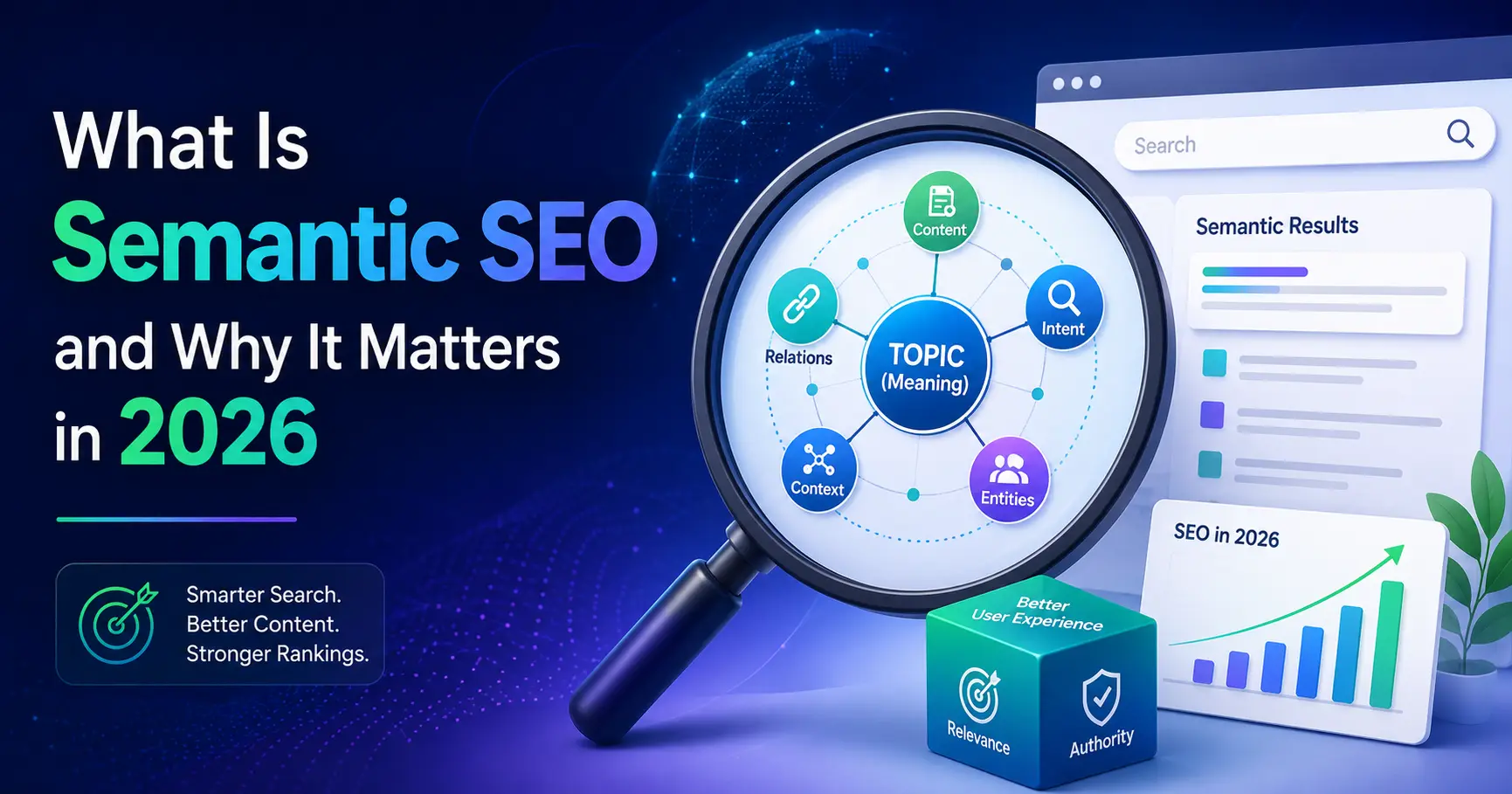
This shift directly impacts How SEO Is Affected By AI. Search engines like Google now prioritize content that demonstrates real expertise, answers questions clearly, and provides genuine value aligning closely with E-E-A-T principles (Experience, Expertise, Authoritativeness, Trustworthiness). Businesses that want their content to remain visible must now think beyond traditional keyword stuffing and focus on clarity, structure, and factual accuracy exactly the approach this article follows.
AI’s Impact on SEO and Search Behavior
| SEO Element | Pre-AI Era | AI-Driven Era |
|---|---|---|
| Content Ranking Factor | Keyword density | Topical depth, E-E-A-T |
| Search Results | List of links | AI-generated summaries/overviews |
| Content Length | Often shorter | Comprehensive, in-depth content preferred |
| User Intent Matching | Basic | Highly contextual |
| Voice Search | Minimal influence | Growing significantly |
How to Appear in AI Overviews
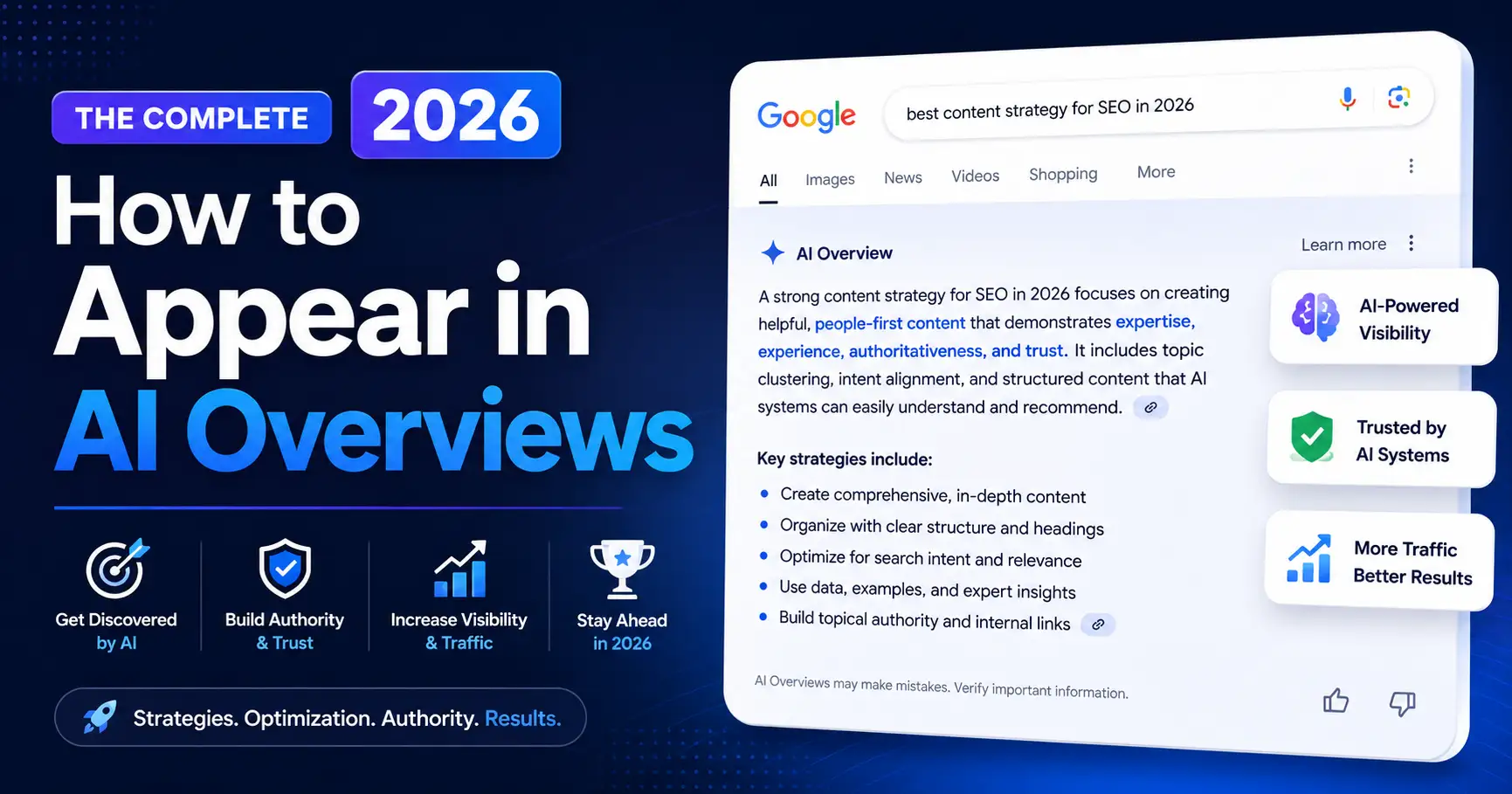
With AI-generated overviews becoming a standard feature on Google, businesses need a new strategy to remain visible. So, How to Appear in AI Overviews? The answer lies in producing content that is well-structured, fact-checked, and directly answers user queries in a conversational tone much like this article does.
Key tactics include:
- Using clear headings and subheadings that match search queries
- Providing direct, concise answers early in the content
- Including structured data (FAQs, tables, lists)
- Demonstrating real expertise and citing credible sources
- Updating content regularly to reflect current information
The Role of AI Automation in Modern Marketing
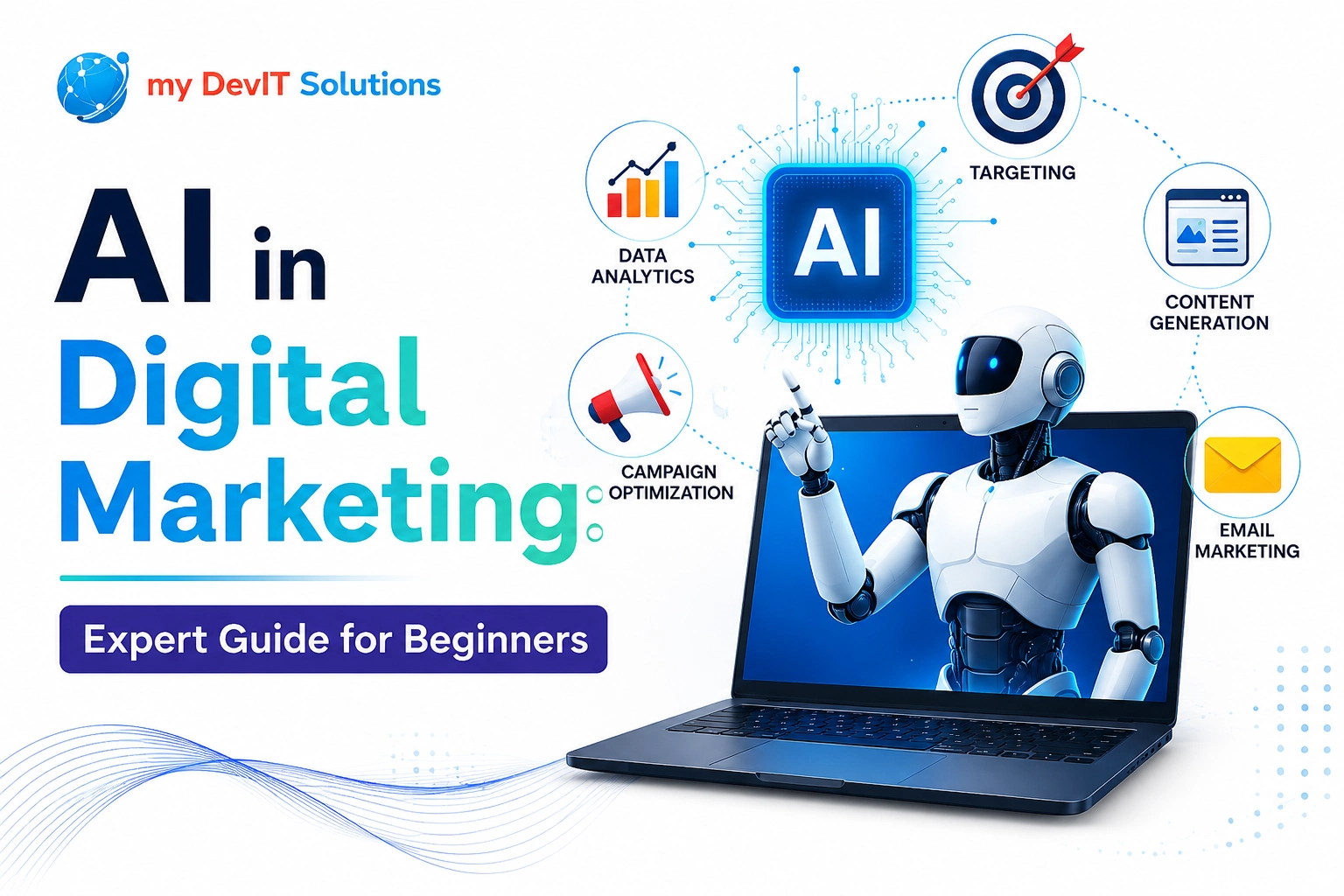
Marketing has been one of the biggest beneficiaries of AI automation. From automated social media posting to AI-generated ad copy and predictive customer segmentation, marketers can now do in minutes what used to take days. This connects directly to Modern Ways to Promote Your Business that combine AI tools with automation platforms can run highly targeted campaigns, track performance in real-time, and adjust strategies instantly based on data, rather than waiting for monthly reports.
For example, AI automation can:
- Automatically generate and A/B test ad creatives
- Send personalized follow-up emails based on user behavior
- Optimize ad spend across platforms in real-time
- Analyze competitor strategies and suggest improvements
Challenges and Considerations
While AI automation offers significant benefits, it’s not without challenges. Businesses must consider:
- Data Privacy: AI systems require data, raising concerns about how that data is collected, stored, and used.
- Initial Setup Costs: Implementing AI automation requires investment in tools, integration, and training.
- Job Displacement Concerns: Some roles may shift or evolve as automation handles repetitive tasks.
- Accuracy and Bias: AI models can inherit biases from training data, requiring careful monitoring.
Benefits vs Challenges of AI Automation
| Benefits | Challenges |
|---|---|
| Increased efficiency | Initial setup costs |
| 24/7 operations | Data privacy concerns |
| Reduced human error | Need for skilled oversight |
| Scalability | Potential bias in AI decisions |
| Cost savings long-term | Integration complexity |
How My DevIT Solutions Helps Businesses with AI Automation
Implementing AI automation isn’t a one-size-fits-all process it requires understanding a business’s specific workflows, tools, and goals. This is where My DevIT Solutions comes in. By offering tailored automation strategies, API integrations, and AI-powered tools, businesses can adopt these technologies without disrupting existing operations or overwhelming their teams. From setting up AI chatbots to automating internal reporting and connecting various software platforms through APIs, the goal is to make AI automation accessible, practical, and results-driven not just a trendy add-on.
Conclusion
So, what is AI automation? In simple terms, it’s the combination of intelligent decision-making (AI) with task execution (automation) creating systems that not only do the work but do it smartly. From customer service to marketing, manufacturing to SEO, AI automation is reshaping how businesses operate and compete.
Understanding what is automation and artificial intelligence and how they work together is no longer optional for businesses wanting to stay competitive. Whether you’re just starting to explore these tools or looking to scale existing systems, the key is to start with clear goals, integrate thoughtfully, and continuously adapt as technology evolves.
FAQs
AI automation is the combination of artificial intelligence and automated workflows, allowing systems to make intelligent decisions and execute tasks without human intervention.
Automation follows fixed, pre-set rules, while AI can learn, adapt, and make decisions based on data analysis.
It works by collecting data, processing it with AI models, making decisions based on patterns, and then automatically executing the appropriate action.
Initial setup costs vary, but long-term savings from efficiency and reduced errors often outweigh the upfront investment.
Yes, many AI automation tools are scalable and affordable, making them accessible to small and medium-sized businesses.
AI automation affects SEO by influencing how search engines rank and present content, prioritizing structured, factual, and user-focused information.
Retail, healthcare, finance, manufacturing, and customer service are among the industries seeing the most significant benefits from AI automation.